Careers
Dental Technology Every New Dental Assistant Should Know
Digital x-rays, intraoral scanners, practice software and greener office practices: the technology Colorado dental assistants use every day, and how to get comfortable with it.
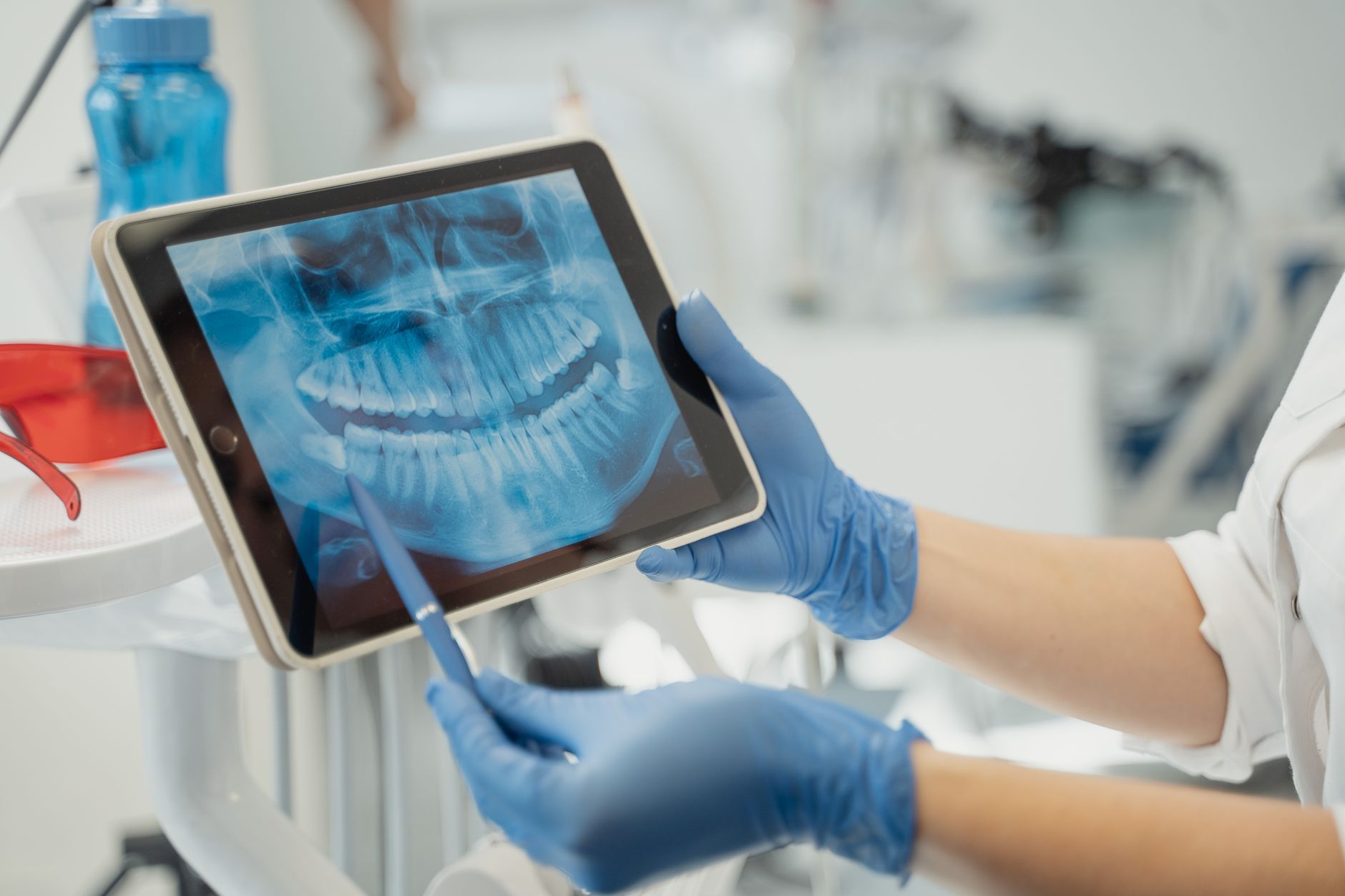
A modern dental office is full of screens. For new assistants, the technology can feel like as much to learn as the procedures. Here's what you'll actually use, what matters most, and a note on how the same tools make offices greener.
Digital radiography
Most offices have replaced film with digital sensors. You place a sensor in the patient's mouth, position the x-ray unit, and the image appears on the monitor in seconds.
For you, that means:
- Positioning still matters most. A bad angle is a bad image, digital or not. Retakes mean more exposure for the patient.
- Sensors are expensive and fragile. Handle them carefully, and use barriers and disinfection correctly.
- The rules don't change. Colorado's radiography training requirement applies to digital x-rays just as it does to film. What Colorado requires.
Some offices also have panoramic or 3D imaging (cone beam CT). You may help position patients for these, depending on your training and the office's protocols.
Intraoral scanners and digital impressions
Many offices now scan teeth instead of taking goopy impressions. A small wand captures a 3D model, which goes digitally to a lab or an in-office milling machine for crowns, aligners and appliances.
Scanning is a skill: steady movement, a sensible path around the arch, keeping the area dry. Assistants often do the scanning. Orthodontic offices lean on it heavily for aligner cases (ortho assisting in Colorado).
Intraoral cameras
A small camera shows patients exactly what the dentist sees, like a cracked filling or a worn tooth. Assistants often take these photos, and they help a lot with explaining treatment. Communicating with patients.
Practice management software
Charting, scheduling, treatment notes, images and billing all live in the practice software. Offices use many different brands, and nobody expects you to know them all. What helps is knowing the basic workflow and being careful and consistent with notes. If you've used one system, the next is much easier.
Sterilization technology
Autoclaves, ultrasonic cleaners, instrument washers and the monitoring that proves they work are the unglamorous center of the job. Know how to load them, read cycle results, and what biological and chemical indicators mean. The DANB ICE exam covers this in depth (DANB in Colorado).
Greener dental offices
Many of the same technologies also cut waste, and assistants are usually the ones who put that into practice:
- Digital x-rays remove film-processing chemicals and lead foil waste.
- Digital impressions cut disposable trays and impression material.
- Amalgam separators keep mercury from old fillings out of wastewater. Offices that place or remove amalgam are generally required to use them under EPA rules, and assistants often maintain them.
- Reusable over disposable, where it's safe. Sterilizable instruments and cloth patient gowns, when infection-control protocols allow.
- Smarter stock control. Ordering carefully so materials don't expire on the shelf.
Infection control always comes first. Green choices happen within those protocols, never instead of them.
How to get comfortable fast
- Choose a training program with up-to-date equipment and ask what's in their clinic or partner offices. Compare Colorado programs.
- List the systems you've used on your resume, even if you only used them briefly (resume tips).
- At a new job, ask for a short walkthrough of each device, and write the steps down the first time.
Technology changes and offices upgrade, but the basics (good positioning, clean technique and careful records) carry over. To start training, the program match quiz shows which Colorado programs fit your schedule.
Checked September 30, 2026.
FAQ
What technology do dental assistants use?
Digital x-ray sensors and imaging software, intraoral cameras, practice management software, and in many offices intraoral scanners for digital impressions. Sterilization equipment such as autoclaves is also central to the job.
Do I need to know a specific dental software to get hired?
No. Offices use many different systems. Knowing how practice software works in general (scheduling, charting, treatment notes) means you can pick up a new system quickly.
Do dental assistants need special training to take digital x-rays in Colorado?
Yes. Colorado's radiography requirements apply whether the office uses film or digital sensors. You need approved training before taking x-rays on patients.