Careers
A Day in the Life of a Dental Assistant: What to Expect
An hour-by-hour look at a typical day for a dental assistant in a general practice, what makes days hard, and why the team relies on the assistant.
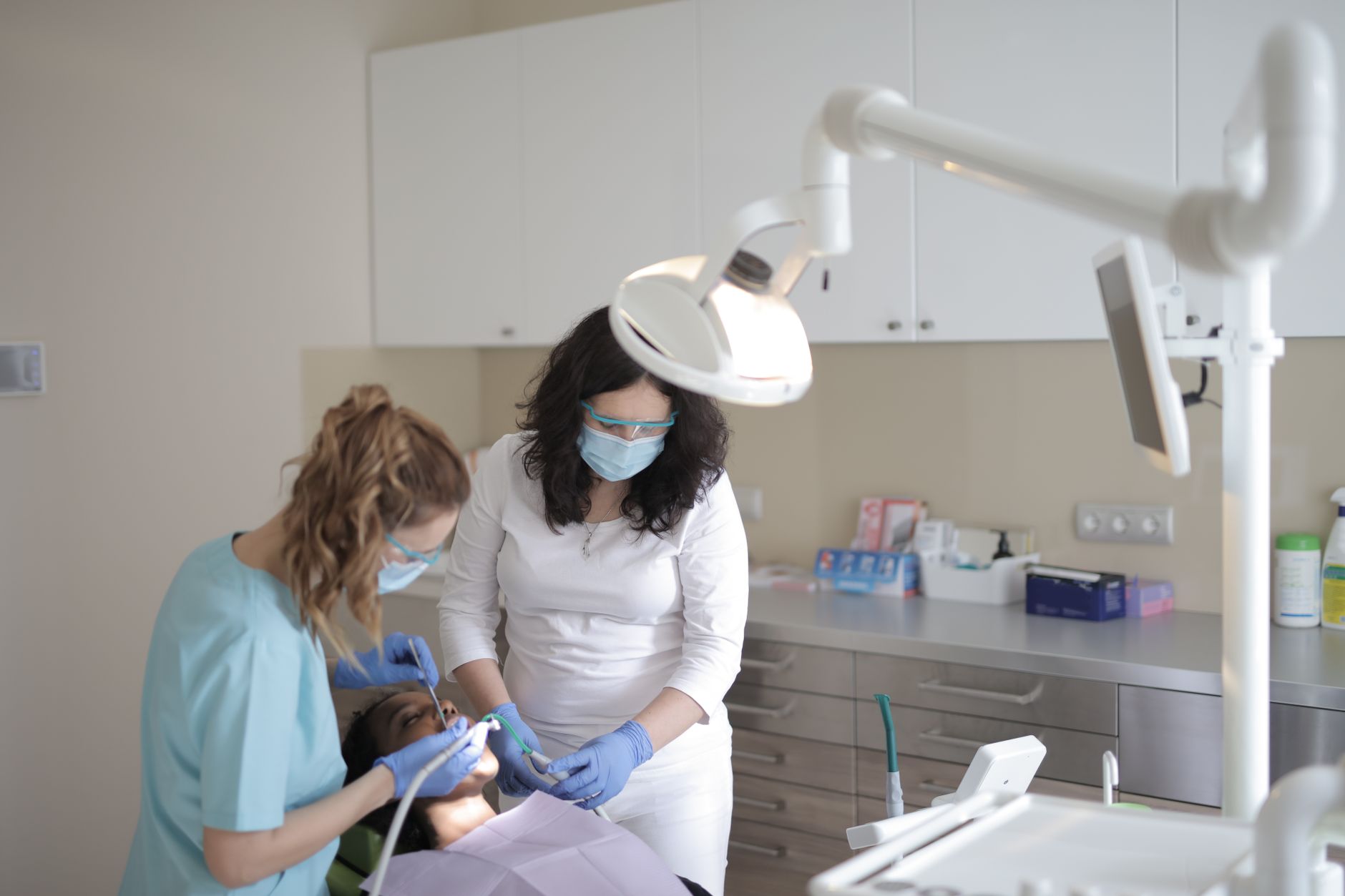
If you're thinking about dental assisting, you've probably read a list of duties. Lists don't tell you much about what the job feels like. Here's a realistic day in a busy general practice, written from the assistant's point of view.
7:00 a.m.: before the first patient
The day starts about 30 to 45 minutes before the schedule does. You turn on the equipment, run the waterline treatment and check that the autoclave's overnight cycle passed. Then you look at the schedule.
That morning review, often called a huddle, is where the day's surprises come out. There might be a patient who needs pre-medication, a crown that came back from the lab, or a child who had a hard visit last time. Good assistants read the schedule the way a line cook reads the tickets. Which rooms need which trays? What has to be ready before 8:00?
8:00 a.m. to noon: the chair
Most of your morning is chairside, doing four-handed dentistry. You pass instruments, keep the field dry and visible with suction, mix materials and anticipate what the dentist needs next. On a routine filling you might have the next instrument ready before the dentist asks.
Between procedures you'll probably:
- Take x-rays. Once you're qualified under Colorado's radiography rules, this becomes a big part of your day.
- Seat and dismiss patients. You update their health history, answer questions and explain aftercare.
- Take impressions or digital scans, depending on the office's equipment (more on dental tech).
- Turn over the room. You disinfect surfaces, change barriers and take instruments to sterilization.
Room turnover is where new assistants feel the pressure. The next patient is already in the waiting room, and turnover can't be rushed because infection control isn't optional. Speed comes from routine, not from shortcuts.
Midday: the unexpected
Most offices keep a few emergency slots. A cracked tooth, a swollen face or a lost crown can reshuffle the afternoon. You might do an emergency x-ray, set up for a procedure you didn't plan for, or calm someone who's in pain and scared.
Lunch happens when it happens.
Afternoon: the same, but tired
The afternoon repeats the morning with more fatigue. It's also when the details slip: charts that weren't updated, a sterilization pouch that wasn't dated, a lab case that wasn't sent. Assistants who do well build small habits that catch these, because they add up.
After the last patient
Closing down is its own routine. You process the last instruments, run the sterilizer, clean and flush the lines, restock the rooms and set up for the morning. If you're lucky, you're out 30 minutes after the last patient leaves.
Why the practice leans on the assistant
If one assistant is missing, a dentist can lose most of a day's production. Every procedure goes slower, rooms turn over late and patients wait. That's why offices hire and train assistants constantly, and why a dependable assistant has leverage when asking for a raise. The pay side.
Assistants also keep the practice running between the chair and the front desk. They explain treatment plans, remind patients about follow-ups and notice when a patient seems off. Patients often remember the assistant better than the dentist.
Who does well in this job
People who like it tend to:
- Enjoy fast, hands-on work more than sitting at a desk
- Stay calm with nervous or grumpy people
- Like knowing exactly what "done right" looks like
- Get satisfaction from making someone else's work go smoothly
People who struggle usually dislike repetition or find bodily fluids hard to deal with. Better to know that before you pay tuition.
What changes as you grow
After a year or two, many assistants move toward something: a specialty (orthodontics, oral surgery), expanded duties (EDDA in Colorado), lead assistant or office manager roles, or school to become a dental hygienist.
If this day sounds like you, the next step is training that gets you x-ray qualified and gives you real chair time. See which Colorado programs fit your schedule.
Checked September 30, 2026.
FAQ
What hours do dental assistants work?
Most work full time in a dental office. Many practices start early and some run evenings or Saturdays, so shifts of 8 to 10 hours are common. Four-day weeks are also common in dentistry.
Is being a dental assistant stressful?
It can be busy. Tight schedules, emergencies and anxious patients all add pressure. Most assistants say the pace gets easier after the first few months, once room turnover and setups become routine.
Do dental assistants sit or stand all day?
Both. Assistants sit chairside during procedures and are on their feet for room turnover, sterilization and seating patients. Good shoes and posture matter.