Salary
The Highest-Paying Dental Assistant Jobs
Oral surgery, orthodontics, expanded duties and leadership: the dental assistant roles that tend to pay the most, and how to get into them in Colorado.
The typical U.S. dental assistant made $48,070 in May 2025, according to the Bureau of Labor Statistics. That's the midpoint, and a lot of assistants earn well above it. The ones who do usually got there by picking a specialty, taking on more responsibility, or both.
These are the roles that tend to pay best, roughly in the order we see them come up.
Oral surgery
Surgical assisting is its own world: extractions, implants, bone grafts and sedation cases. You're monitoring vitals, keeping a sterile field and helping patients who are sometimes coming out of anesthesia. Not everyone wants that pressure, which is part of why surgical offices often pay more to keep good people.
Orthodontics
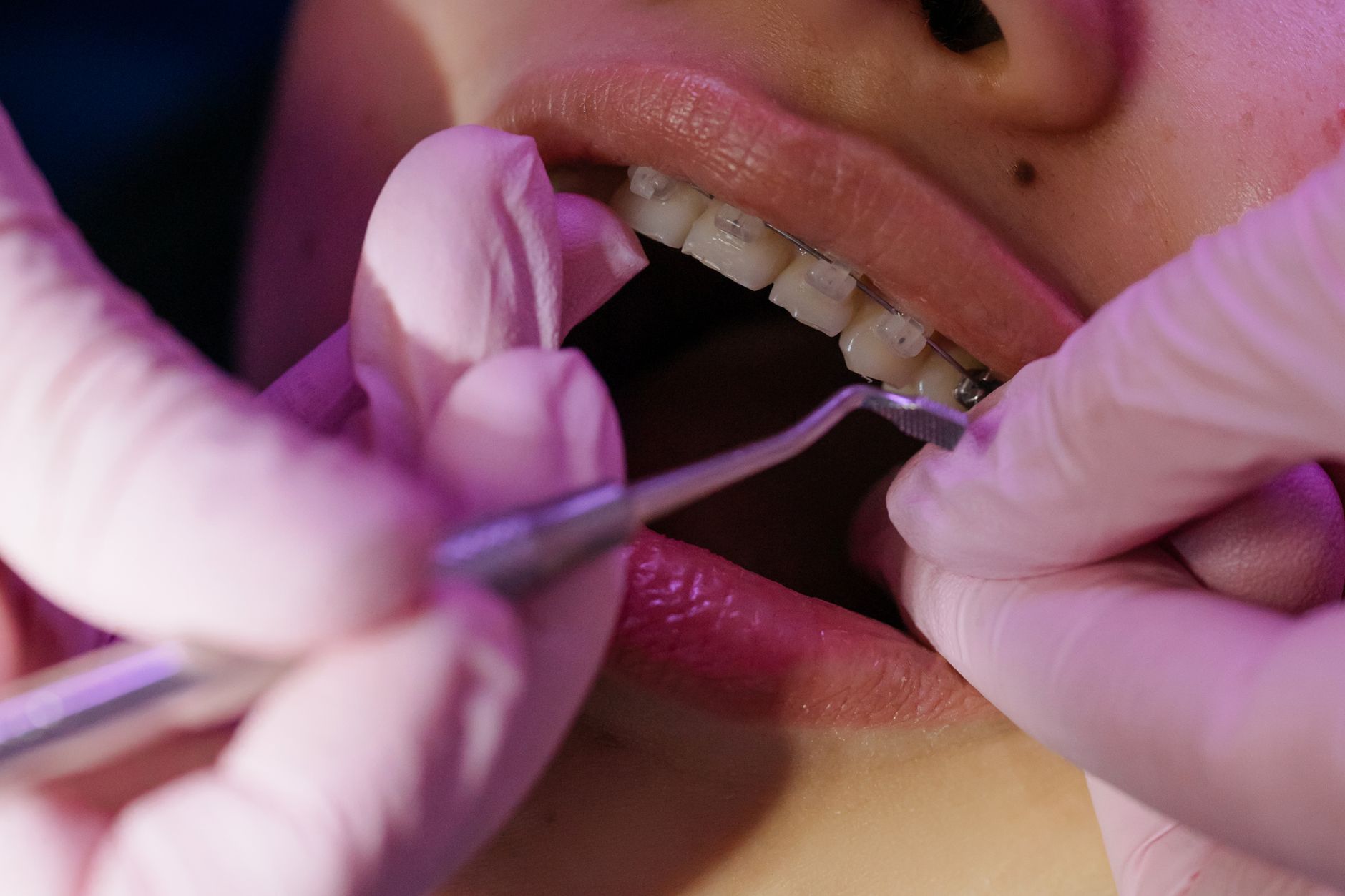
Ortho practices move a lot of patients through open-bay chairs, many of them kids and teenagers. Depending on what the rules and the orthodontist allow, assistants may change wires, prep teeth for bonding, take scans and coach patients on keeping their appliances clean. It's fast and repetitive work, and assistants who keep up are hard to replace.
Expanded duties
An assistant who can safely handle more of the procedure lets the dentist run more rooms at once, and that productivity tends to show up in the paycheck. In Colorado, what you can take on depends on the Dental Board's rules and your training rather than a separate license. Our EDDA explainer covers it.
Lead assistant or clinical coordinator
Somebody has to train the new hires, keep sterilization up to standard, order supplies and handle the schedule when a doctor runs late. That person usually earns more than everyone else in the back office. From there, some people move into office management.
Periodontics and implants
Periodontal offices lean heavily on surgery and specialized equipment. Assistants who know implant systems and grafting workflows are a smaller pool, and pay reflects it.
Teaching
Experienced assistants sometimes teach at training programs, often on Saturdays in addition to a regular chairside job. It won't replace a full-time income, but it's a good side income and it looks good on a résumé.
Temp and travel work
Staffing agencies fill last-minute gaps and sometimes pay a premium to assistants who can walk into an unfamiliar office and be useful within ten minutes. You trade some stability for the higher rate.
What moves you up the ladder
Whatever the specialty, a few things come up again and again. In Colorado, being qualified for x-rays is the baseline. A DANB credential gives you something to point to in a pay conversation (details here). Being comfortable with intraoral scanners helps a lot, since so many offices have gone digital. Speaking Spanish is a real advantage in much of Colorado. And an assistant who can also handle the front desk and insurance basics is always valuable.
Most people don't start in a specialty. A common route is a year or two in general dentistry, then a move to ortho or surgery once the fundamentals are automatic. If you're at step one, compare Colorado programs. If you're already working, our Colorado salary guide shows where you stand.
BLS figures checked September 17, 2026. Individual offers vary.
FAQ
What type of dental assistant makes the most money?
Specialty assistants (especially oral surgery and orthodontics), expanded-duty assistants, and clinical leads or office managers tend to earn the most. Pay depends heavily on location and experience.
How can I increase my pay as a dental assistant in Colorado?
Qualify for x-rays, earn DANB credentials, specialize, learn in-demand technology like digital scanning, and take on training or leadership responsibilities.
What is the median dental assistant salary?
The BLS reports a national median of $48,070 a year ($23.11 an hour) as of May 2025.